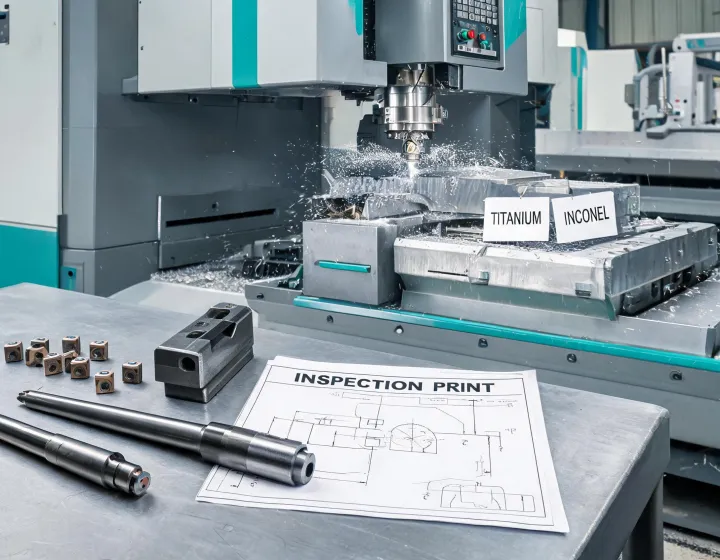

Carbide tooling used on difficult aerospace alloy machining

Hard alloys · documented tolerances · production tooling

Difficult Materials, Severe Tolerances, Tooling Programs Built to Prove It

Iscar supports OEM and contract-manufacturing teams with carbide inserts, boring systems, holders, milling cutters, and process documentation for parts where chatter, tool life, and inspection evidence decide the margin.

4.6M+documentedTooling touches reviewed across controlled programs
10,054+activeBuyers, planners, and manufacturing engineers supported
35 yrsprocess recordIn metal-cutting program support and application review
45material groupsSuperalloy, stainless, hardened steel, and non-ferrous families
32audit itemsQuality, sourcing, and documentation checks per package

Engineering posture

Application Support Written for Buyers Who Read the Inspection Notes

Engineer checking carbide insert wear under magnification

Tool life is treated as evidence, not a slogan.

Recommendations are tied to material group, cutting length, coolant access, holder overhang, and finish target. The review note explains why a grade, chipbreaker, or anti-vibration boring bar belongs on the operation instead of stopping at a catalog part number.
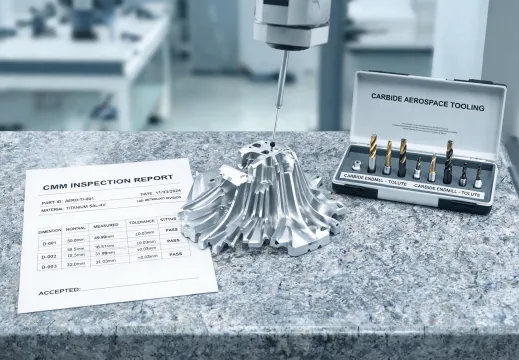
CMM inspection report beside machined titanium component

Inspection context travels with the tooling package.

For regulated work, the package can reference FAI expectations, critical-to-quality dimensions, traceable material constraints, and PPAP-style handoff notes so manufacturing, quality, and purchasing review the same risk record.

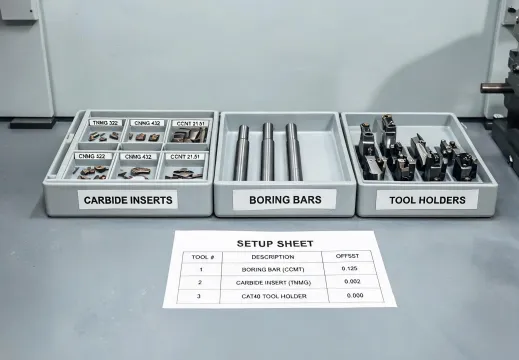
Organized tool holder and insert kit for repeat production

Repeat orders stay legible.

When a program repeats, Iscar keeps the purchasing language, substitute rules, holder stack, and documented setup assumptions clear enough for another shift or another plant to reproduce the same tooling decision.

Capability table

Common Review Parameters

Material and operation scope
Material familiesTitanium, Inconel, stainless, hardened steel, aluminum, cast iron, and abrasive composites
Operation focusTurning, grooving, boring, indexable milling, end milling, drilling, threading, and modular holding
Documentation support
Quality referencesFAI notes, PPAP-aware handoff language, CMM checkpoints, tool-change rationale, and traceable revision control
Procurement clarityApproved alternates, stocking triggers, quote assumptions, and risk flags for imported or constrained tooling

Audit language

Certificates and Controls Buyers Ask About First

ISO 9001:2015

Quality management alignment for controlled quoting, inspection language, and supplier correction loops.

AS9100D Ready

Documentation packages can be framed for aerospace manufacturing reviews and first-article conversations.

IATF 16949 Aware

Automotive buyers receive repeat-order and change-control notes that map cleanly to sourcing workflows.

NADCAP Coordination

Special-process dependencies are called out when tooling, heat treat, or finishing choices influence compliance risk.

Where the work lands

Industry Programs with Expensive Failure Modes

01

Aerospace structures

Superalloy pockets, long-reach bores, and controlled surface finishes.

02

Medical components

Small batches, stainless and titanium, and documented dimensional stability.

03

Energy hardware

Interrupted cuts, hard facings, and tool life planning for costly setups.

04

Automation equipment

Repeatable holders and inserts for mixed-volume machine builds.

Before the next PO

Send the material, tolerance stack, and current tool path problem.

Iscar will return a focused review of tooling families, documentation needs, and procurement risks for the program.