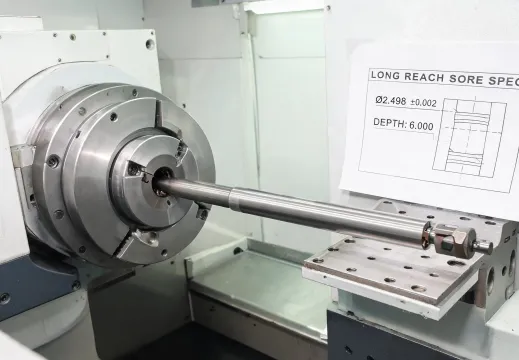
01Read the drawing and the current failure.
The first pass records material grade, hardness, datum scheme, GD&T notes, surface finish, volume, machine envelope, holder reach, coolant path, and the failure mode that triggered the review. That may be unpredictable insert wear, chatter in a deep bore, a surface finish miss, or a purchasing substitution that changed the process window.
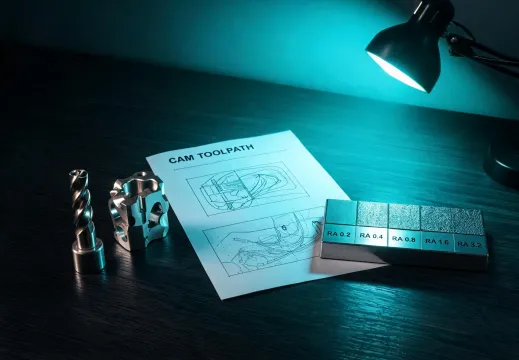
02Translate risk into tooling choices.
The review maps insert grade, chipbreaker, cutter geometry, clamping style, boring system, and holder stack to the operation. Instead of sending a generic catalog list, the note explains why each family is appropriate and where an alternate is acceptable for stock or lead-time reasons.
03Document the handoff.
For production work, Iscar can package setup assumptions, approved substitutions, quote scope, inspection checkpoints, and revision notes. This gives manufacturing a practical starting point while giving quality and procurement a record they can reference during audits or supplier discussions.
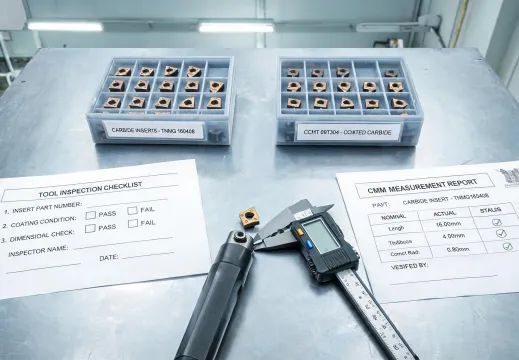
04Close the loop after first articles.
After the first production run, tool wear, cycle time, scrap notes, and CMM observations are converted into a short improvement record. The goal is not a prettier quote. It is a repeatable tooling decision that can survive shift change, reorder pressure, and future engineering change notices.